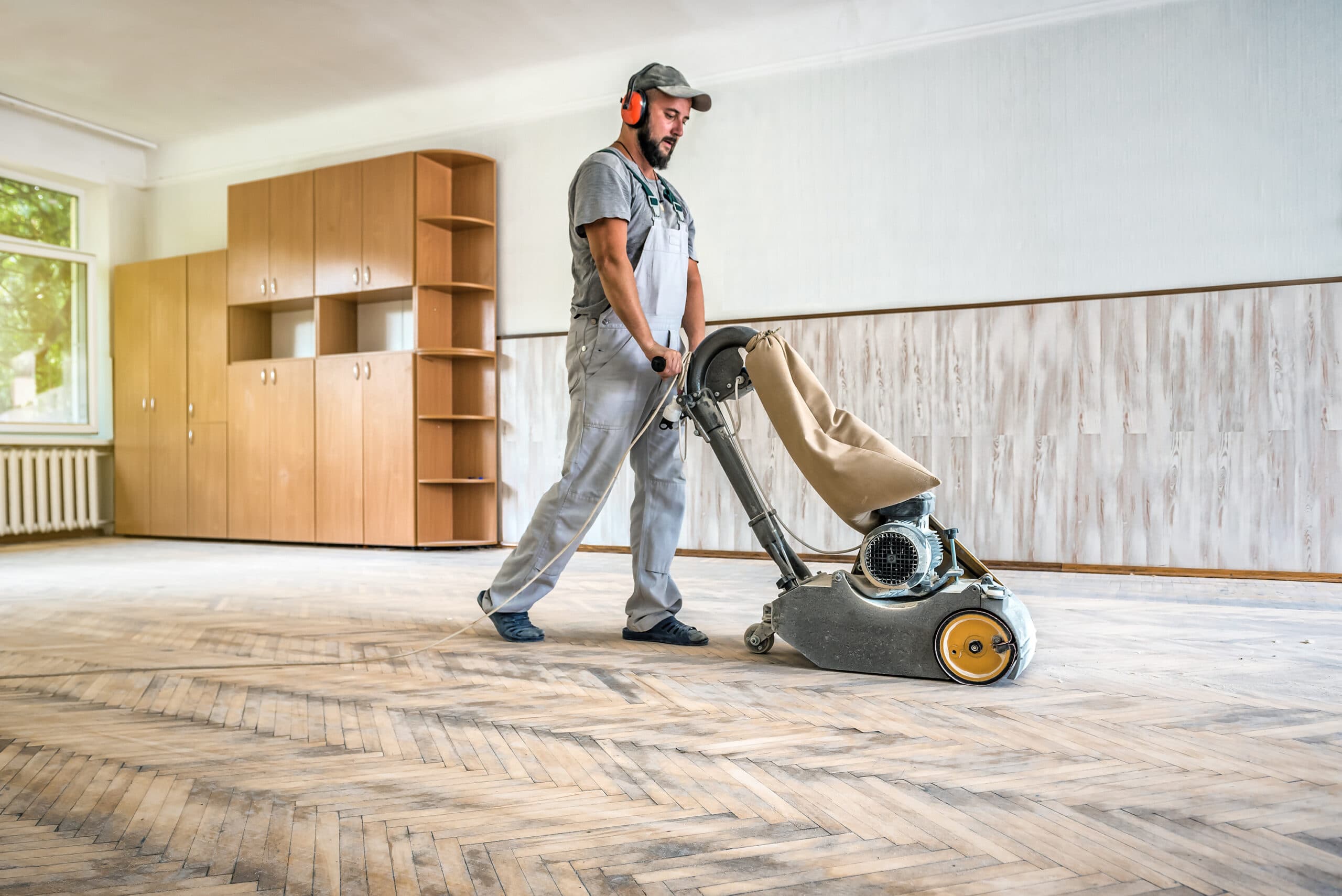
Hardwood floors are an investment that can last generations — but only with proper maintenance. Refinishing is the process that keeps them looking their best. Here's everything you need to know.
Signs Your Floors Need Refinishing
Visible Wear Patterns
If you can see distinct paths where foot traffic is heaviest — typically hallways and in front of the kitchen sink — the finish has worn through and the bare wood is exposed.
Widespread Scratching
Individual scratches are normal and add character. But when scratches cover large areas and the floor looks dull even after cleaning, it's time to refinish.
Grey or Black Discolouration
This indicates moisture has penetrated past the finish into the wood itself. Grey areas mean the wood is oxidizing; black spots often indicate mould. Both require attention before the damage becomes irreparable.
Water No Longer Beads
Drip a few drops of water on the floor. If the water soaks in rather than beading up, the finish is no longer protecting the wood.
Fading and Colour Changes
Sun exposure can cause significant fading, especially near windows. Refinishing allows you to restore uniform colour across the entire floor.
The Refinishing Process
Step 1: Assessment
A professional will evaluate your floors' condition, thickness (solid hardwood can be refinished more times than engineered), and recommend the best approach.
Step 2: Preparation
All furniture is removed and the room is sealed with plastic sheeting. We use dustless sanding systems that capture 99% of dust, keeping your home clean.
Step 3: Sanding
Three rounds of sanding with progressively finer grits remove the old finish and a thin layer of wood, revealing fresh material beneath. This is the step that eliminates scratches, stains, and wear.
Step 4: Staining (Optional)
If you want to change the colour of your floors, stain is applied after sanding. We can match virtually any colour and will always provide test samples on your actual floor before proceeding.
Step 5: Finishing
Two to three coats of your chosen finish are applied, with light sanding between coats for optimal adhesion. Each coat needs proper drying time.
Step 6: Curing
After the final coat, the finish needs time to fully cure. You can typically walk on the floor in socks within 24 hours, but heavy furniture should wait 48–72 hours. Full cure takes 2–4 weeks depending on the finish type.
Choosing the Right Finish
| Finish Type | Durability | Look | Dry Time | Repairability | |---|---|---|---|---| | Oil-Based Poly | Excellent | Warm amber tone | 8-12 hours/coat | Full resand needed | | Water-Based Poly | Excellent | Clear, natural look | 2-4 hours/coat | Full resand needed | | Hardwax Oil | Good | Natural, matte feel | 6-8 hours/coat | Easy spot repair |
How Often Should You Refinish?
Most residential hardwood floors should be refinished every 7–10 years, though this varies based on:
- Household traffic (kids, pets, entertaining)
- Type of finish used
- How well the floors are maintained between refinishings
- Sun exposure
High-traffic commercial spaces may need refinishing every 3–5 years.
Cost of Refinishing vs. Replacement
Refinishing typically costs $3–$6 per square foot, while new hardwood installation runs $12–$23 per square foot (materials + labour). Refinishing is almost always the more economical choice when the wood itself is in sound condition.
Ready to bring your floors back to life? Contact us for a free assessment.